
ATEN Remote Control & Monitoring (RCM) Solutions
Elevate Remote Management Efficiency and Productivity for Command Centers, Production Lines, and Server Rooms

Why Remote?
Precision Control. Anytime. Anywhere. In modern manufacturing, physical presence on the production floor often carries hidden costs—from contamination risks in clean rooms to safety hazards in high-stakes zones.
ATEN RCM solutions redefine remote management by moving the operator, not the operation. By shifting from reactive maintenance to proactive management, we ensure that anomalies are addressed before they become downtimes—securing your operations with robust authentication while achieving a level of holistic oversight that is impossible through floor-level management alone.
ChallengesManaging remote work of any form in any scenario creates a "visibility gap." From the risks of manual intervention in clean rooms to the limitations of software-only access, relying on physical proximity and fragmented systems leads to delayed responses and increased operational vulnerability.
Managing remote work of any form in any scenario creates a "visibility gap." From the risks of manual intervention in clean rooms to the limitations of software-only access, relying on physical proximity and fragmented systems leads to delayed responses and increased operational vulnerability.

Routine Operations
often involve high-volume, repetitive tasks that consume valuable engineering hours.
What if these workflows could be automated to ensure 24/7 optimal efficiency?

Manual Data Logging
frequently requires personnel to log information by hand, which is time-consuming and prone to human error.
What if these tasks were digitized to improve accuracy and streamline operations?

On-Site Intervention
forces technicians to race against time to resolve issues physically, leading to extended and costly downtime.
What if contingencies could be detected and diagnosed remotely in real time?

System Integration
creates complexity in environments where equipment operates on disparate systems without a unified interface.
What if a common platform could enable smooth, centralized management?

Software Solutions
often come with costly recurring license fees and introduce vulnerabilities when exposed to OS-level security risks.
Could a hardware-based solution offer a more secure and cost-effective alternative?

BIOS-Level Access
is jeopardized by traditional remote tools, leaving you unable to manage hardware settings or perform recovery during system crashes.
How much uptime could you gain with total "out-of-band" control?

Legacy Equipment
often suffers from limited upgrade options and difficulty integrating with modern systems, resulting in inefficient management.
What if you could bridge the gap to modern monitoring without replacing your assets?

Alert Notification
are essential for timely responses, yet many systems lack the flexibility to be configured for different urgency levels.
Can your current setup ensure the right person is notified instantly?
Solutions in Action
Multi-Point + Centralized Management
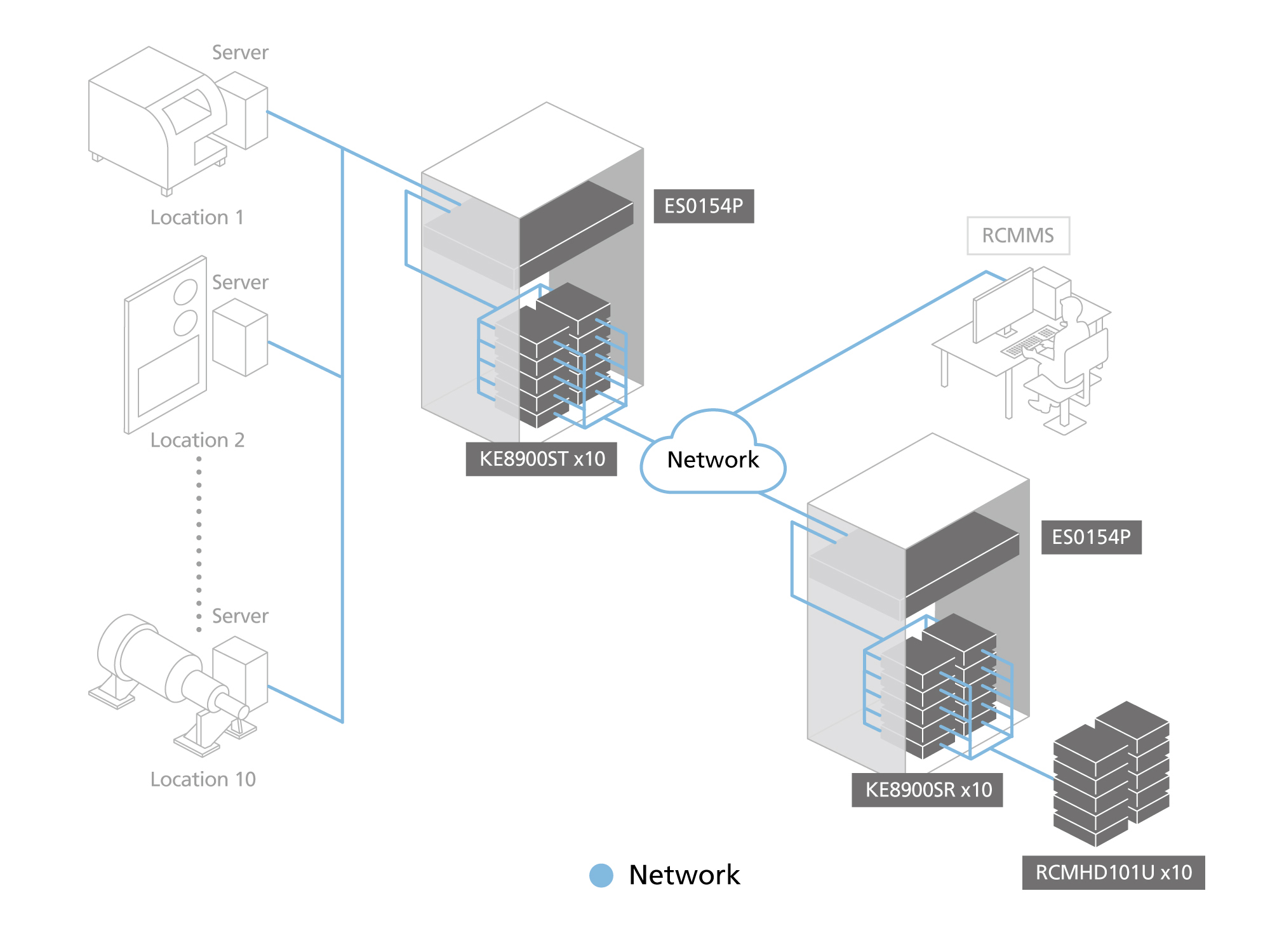
A green energy and gas distribution company in Romania, along with a gas pipeline construction firm, is seeking a solution that can integrate with their existing industrial software for remote equipment control while collecting error data from each workstation. The solution should also provide lossless video to remotely display the real-time operational video of each piece of equipment via a long-distance connection.
Point-to-Point Deployment
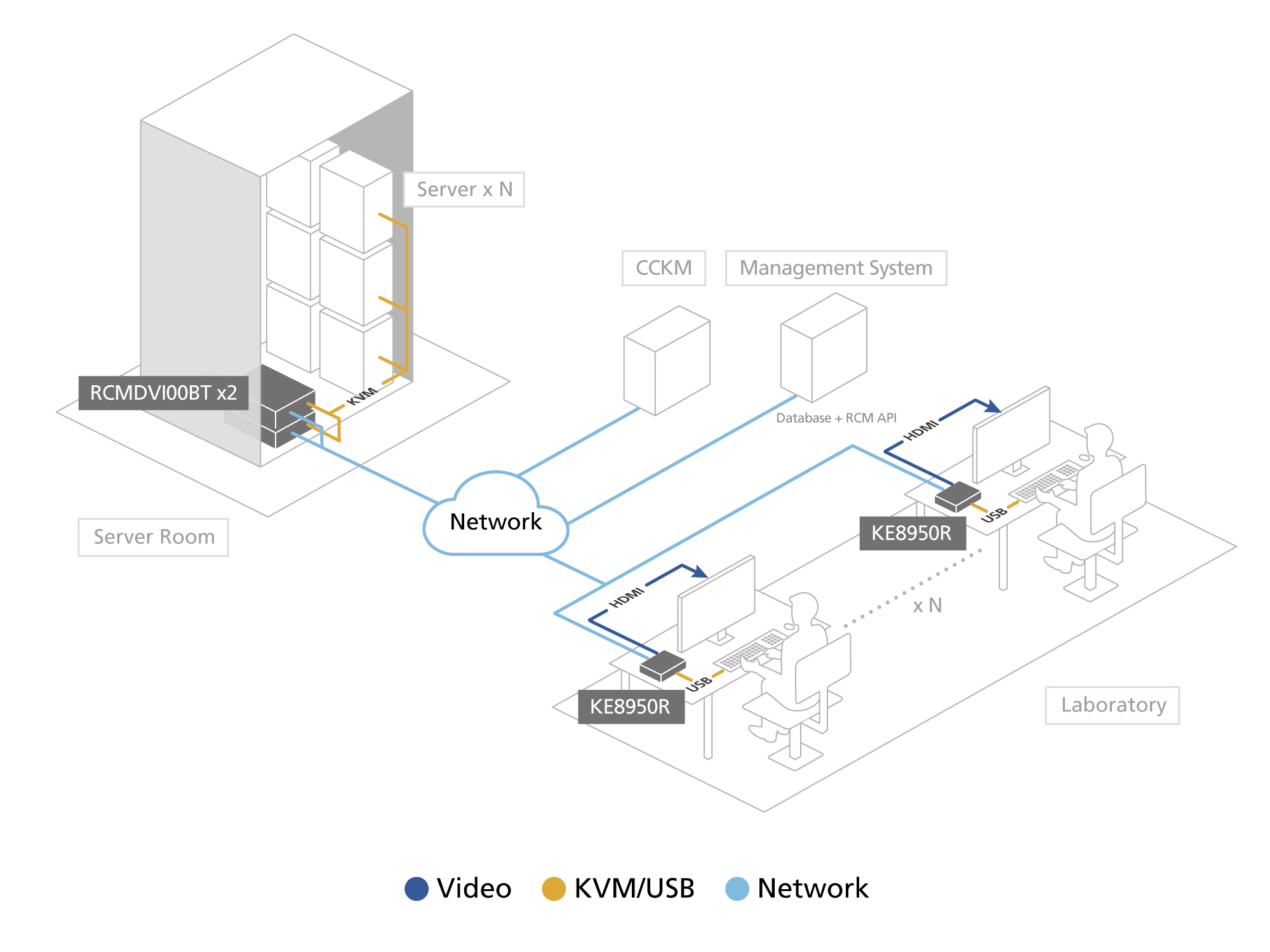
Due to security concerns in government laboratories, operators and engineers are required to enter their account credentials (username and password) at both the BIOS and operating system login stages. This process can be cumbersome, so they are seeking an automated solution for keyboard (KB) and mouse (MS) input during both the BIOS and pre-OS stages to enable automatic logon, making the process hassle-free.
Multi-Point Deployment
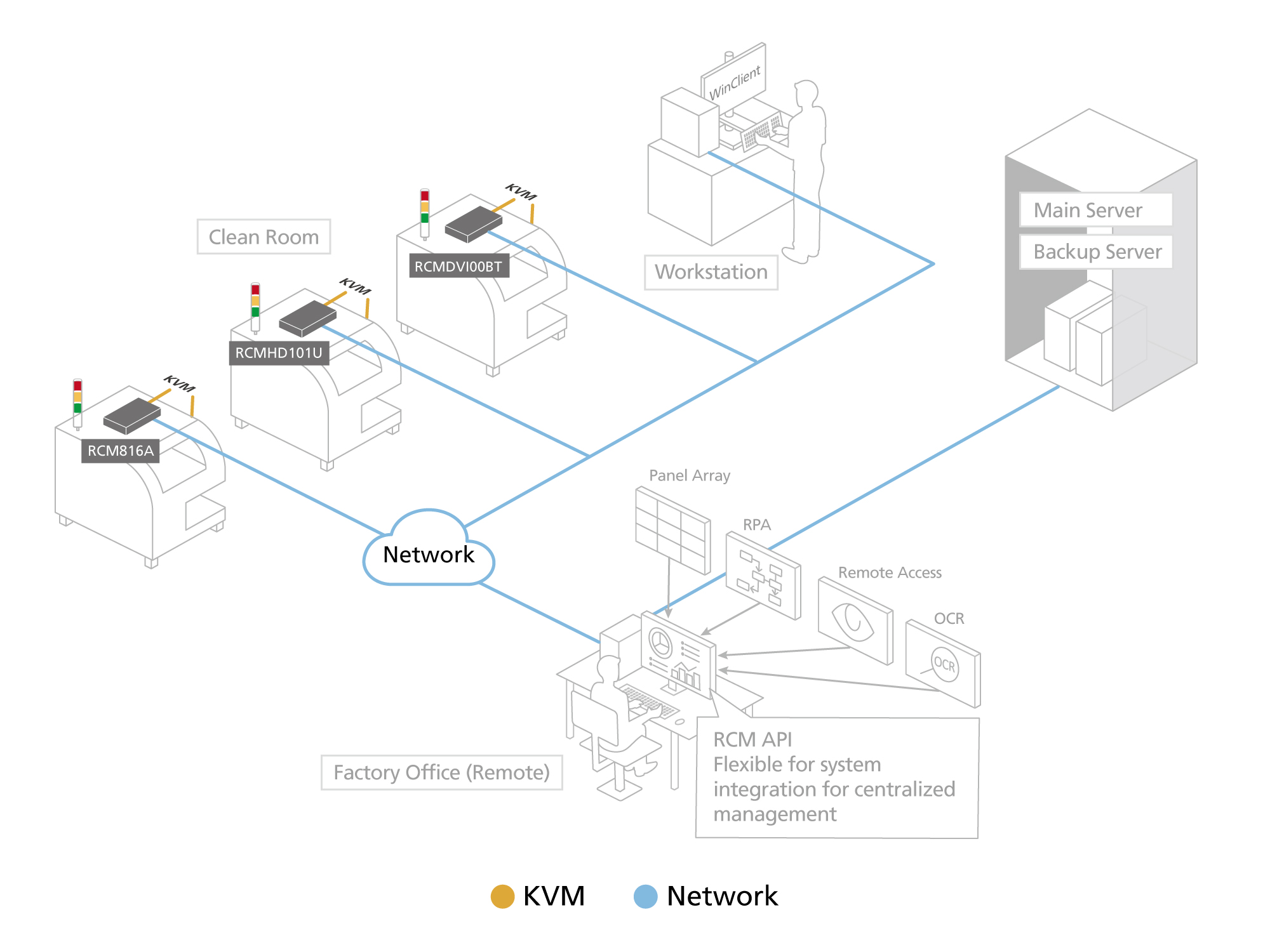
High-tech manufacturing, particularly in the semiconductor and wafer fabrication sectors, is evolving rapidly with firms like TSMC, UMC, and wafer probe and packaging specialists like ASE leading the way. A major point of interest for these manufacturers is the integration of advanced features like the RCM API, which facilitates system integration by allowing customization to mesh seamlessly with a manufacturer's existing production line management system.
ApplicationsBy prioritizing smarter, safer, and more efficient workflows, ATEN RCM solutions transform how modern organizations manage their infrastructure—enabling precision control and visibility in the following applications and beyond.
By prioritizing smarter, safer, and more efficient workflows, ATEN RCM solutions transform how modern organizations manage their infrastructure—enabling precision control and visibility in the following applications and beyond.
RCMMS
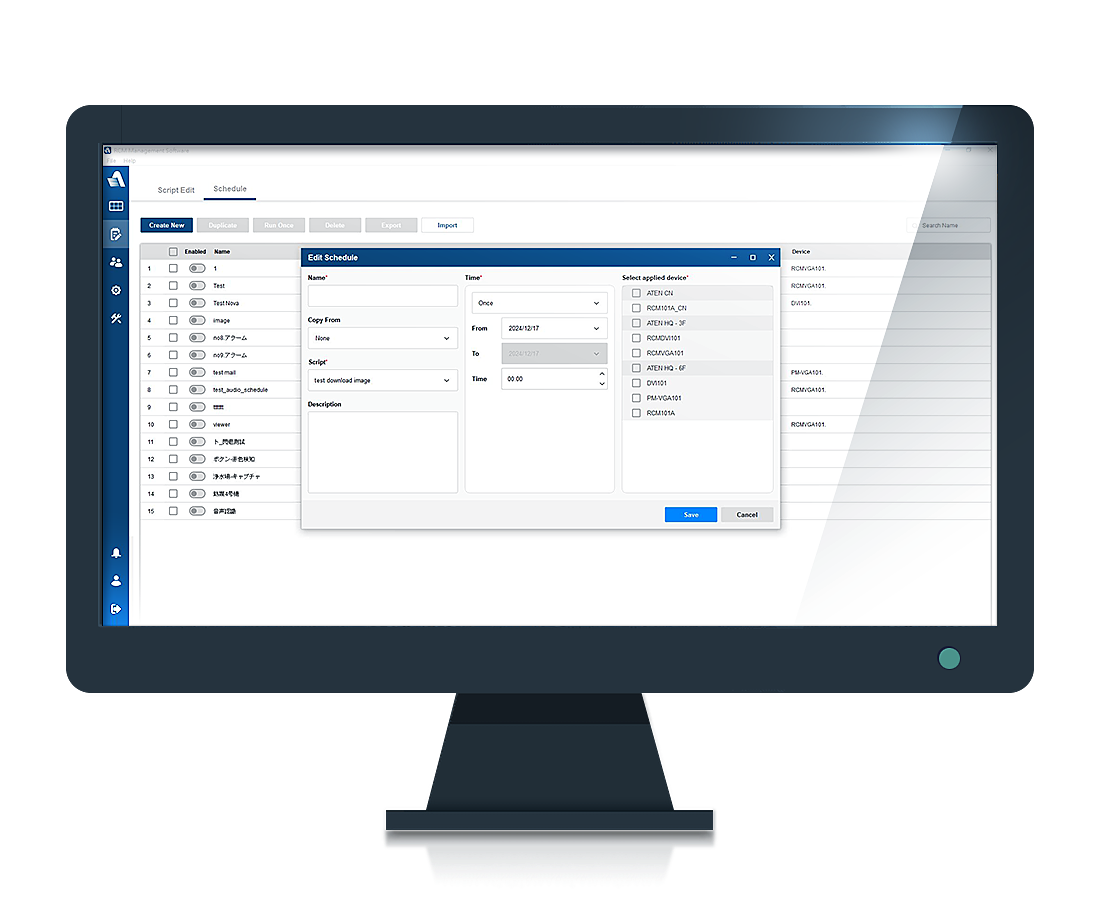
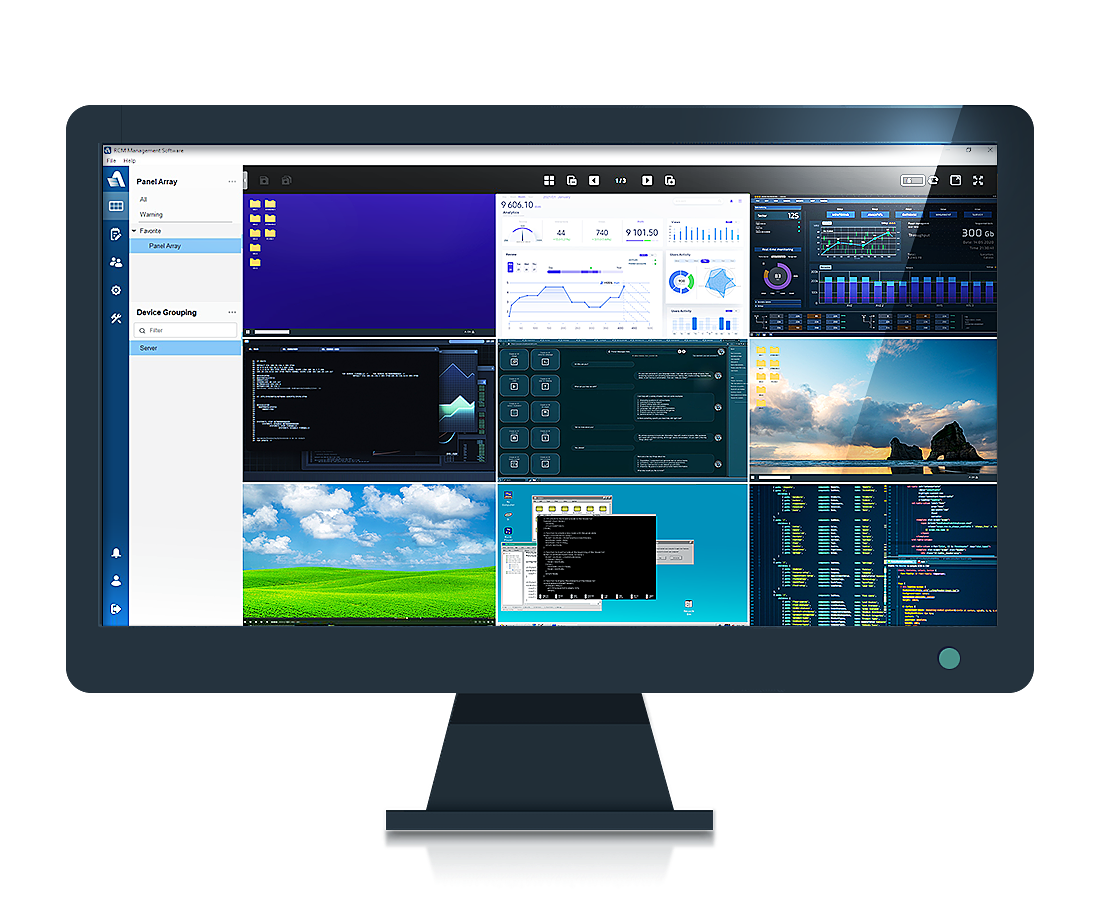
The ATEN RCMMS is a Windows-based management software that offers convenient, centralized access, monitoring, and customizable control for multiple RCM devices within a network. By consolidating various RCM devices—including KVM over IP extenders (e.g., RCMDVI00AT) and both single-port (e.g., RCMVGA101) and multi-port KVM over IP switches (e.g., RCM416)—RCMMS meets the needs of administrators seeking efficient management of IT infrastructures, even across isolated and secure environments.
RCMMS - Total Managemenet
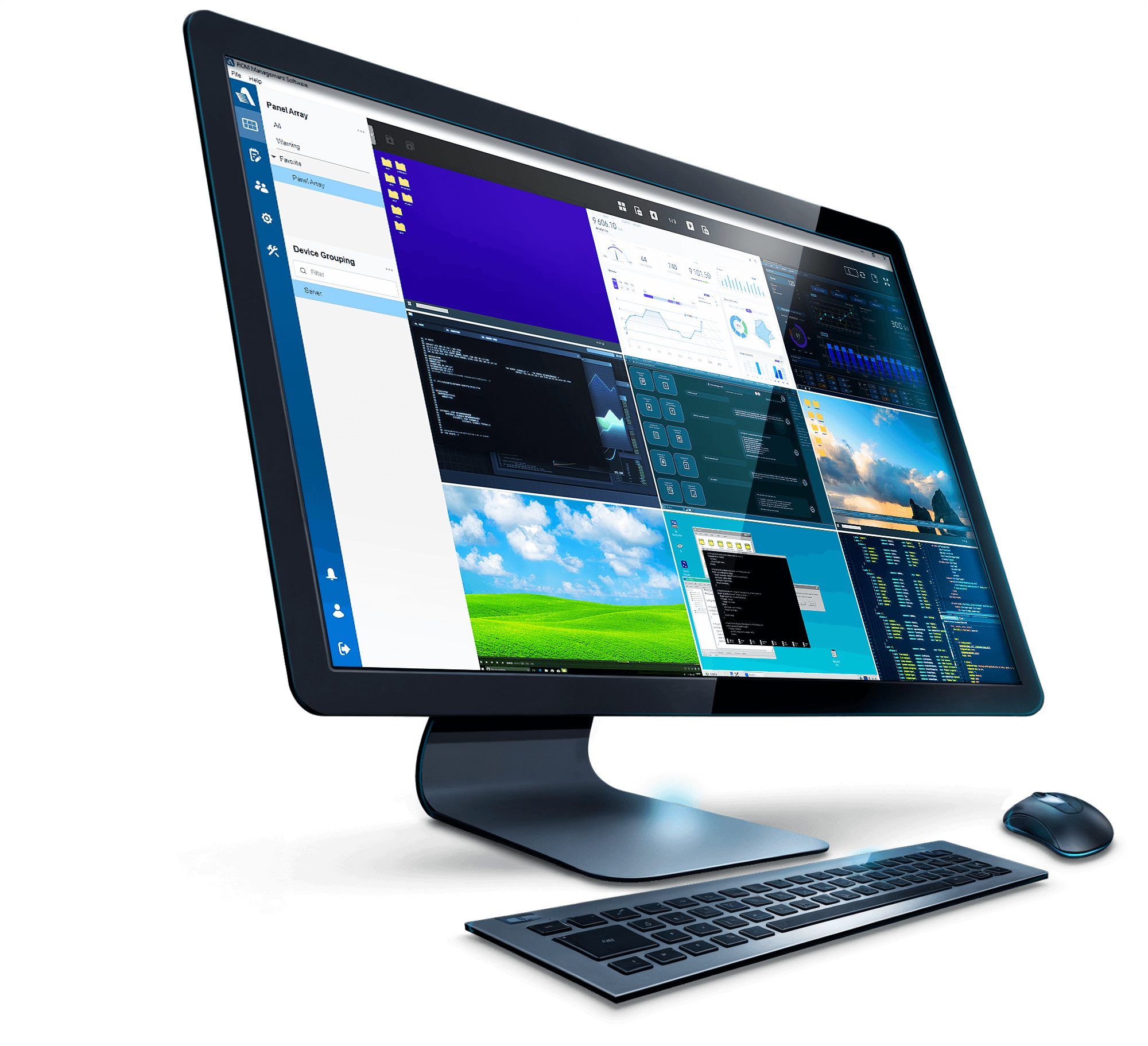
Centralized management of all equipment with Panel Array multi-view monitoring.RCMMS + RPA - Automation
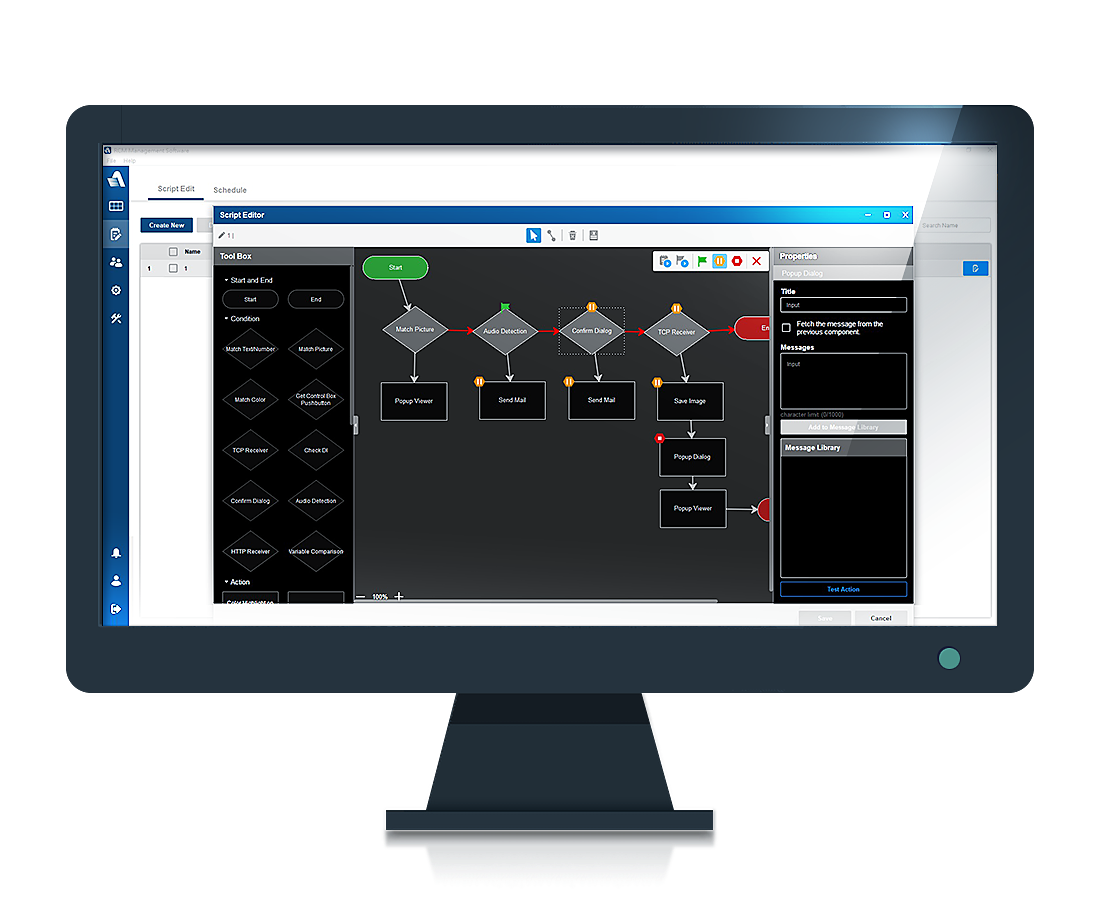
Implementation of RPA (Robotic Process Automation) scripts to automate workflow with improved efficiency.RCM API - System Integration
Implementation of RCM API to facilitate integration with any existing system.

Product Category

Single-Port KVM over IP Switches

Multi-Port KVM over IP Switches

KVM over IP Extenders
Talk to Our Experts
Please complete the form below, and an ATEN Expert will contact you.
Green Energy Production
Government Laboratory
High-Tech Production Line
Centralized management of all equipment with Panel Array multi-view monitoring

Implementation of RPA (Robotic Process Automation) scripts to automate workflow with improved efficiency

Implementation of RCM API to facilitate integration with any existing system


